Article
Sleep and Training
4 min read
Most training plans are built around the hours you spend working. The hours you spend asleep decide what you keep from them. Sleep is where the body repairs, where skills settle, and where mood and patience are topped up for the next day.
Why it belongs in the plan
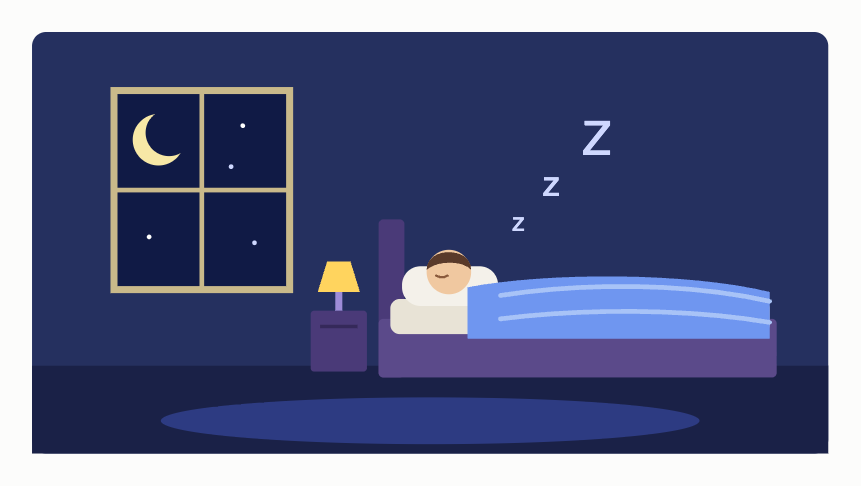
A hard session is a request. Sleep is the response. When sleep is short or broken, the same training load costs more and returns less, and the first things to slip are usually reaction time, focus and patience — the parts that are hardest to notice and easiest to blame on attitude.
This is why sleep sits alongside food and programme as something to plan rather than something to hope for. It is not a reward for finishing the week.
What is worth noticing
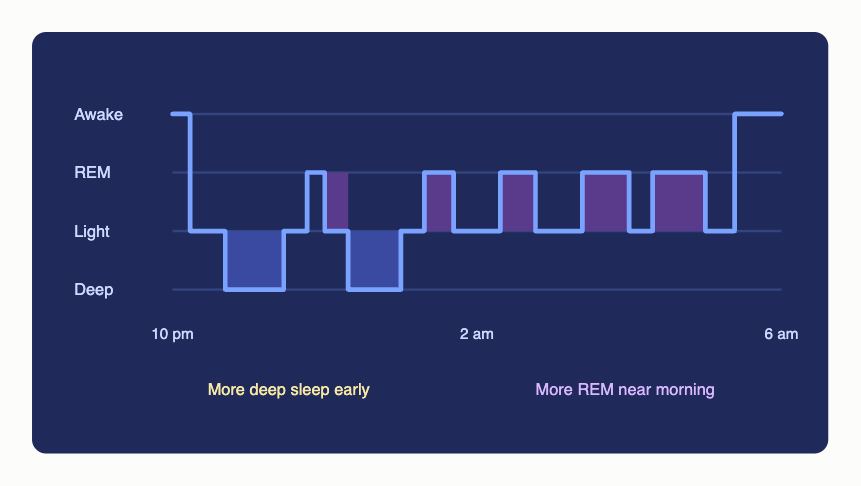
You do not need a device to learn something useful. A few honest notes for two weeks are often enough: when you went to bed, how long you think it took to fall asleep, whether you woke in the night, and how you felt the next morning.
Look for patterns before you look for a score. The same late night may cost one athlete almost nothing and flatten another. Your own baseline is the only comparison that matters.
Small things that move the needle
A steadier wake-up time tends to help more than a perfect bedtime, because the body takes its cue from when the day starts.
A wind-down that is the same each night — lights lower, screens away, a short and boring routine — gives the body a signal that is hard to ignore.
If a night goes badly, the fix is the next night, not a longer lie-in. Long naps and late rising are how one bad night becomes a bad week.
When to ask for help
Snoring with gasping, long stretches of sleep that never feel restful, or a sleep problem that has outlasted a busy block are worth taking to a clinician rather than managing with tips. Nothing here replaces that kind of advice.
The short version
Treat sleep as part of the session, not the gap between sessions. Protect the wake-up time, keep the wind-down boring, and judge the week rather than any single night.